Choosing the right construction materials is one of the most important decisions in any building project. Whether you are constructing a house, office, commercial building, warehouse, or another type of property, the materials you choose can affect the strength, safety, appearance, cost, and lifespan of the entire project.
Many construction problems can be avoided by selecting suitable materials from the beginning. Good-quality materials can help create a stronger and more durable structure, while unsuitable or poor-quality materials may lead to cracks, repairs, water damage, and other problems in the future.
Understand Your Project Requirements
The first step in choosing construction materials is understanding what your project needs. Every building is different, so there is no single material that is perfect for every project.
For example, a residential building may require materials that provide comfort, durability, and good insulation. A warehouse may need strong structural materials that can handle heavy loads. A commercial building may require materials that provide both durability and an attractive appearance.
Before purchasing anything, consider the size and purpose of the building, the type of construction, expected usage, weather conditions, and the required level of durability.
Consider Material Quality
Quality should always be one of the main factors when selecting construction materials. A material may look good and have an attractive price, but that does not necessarily mean it is suitable for your project.
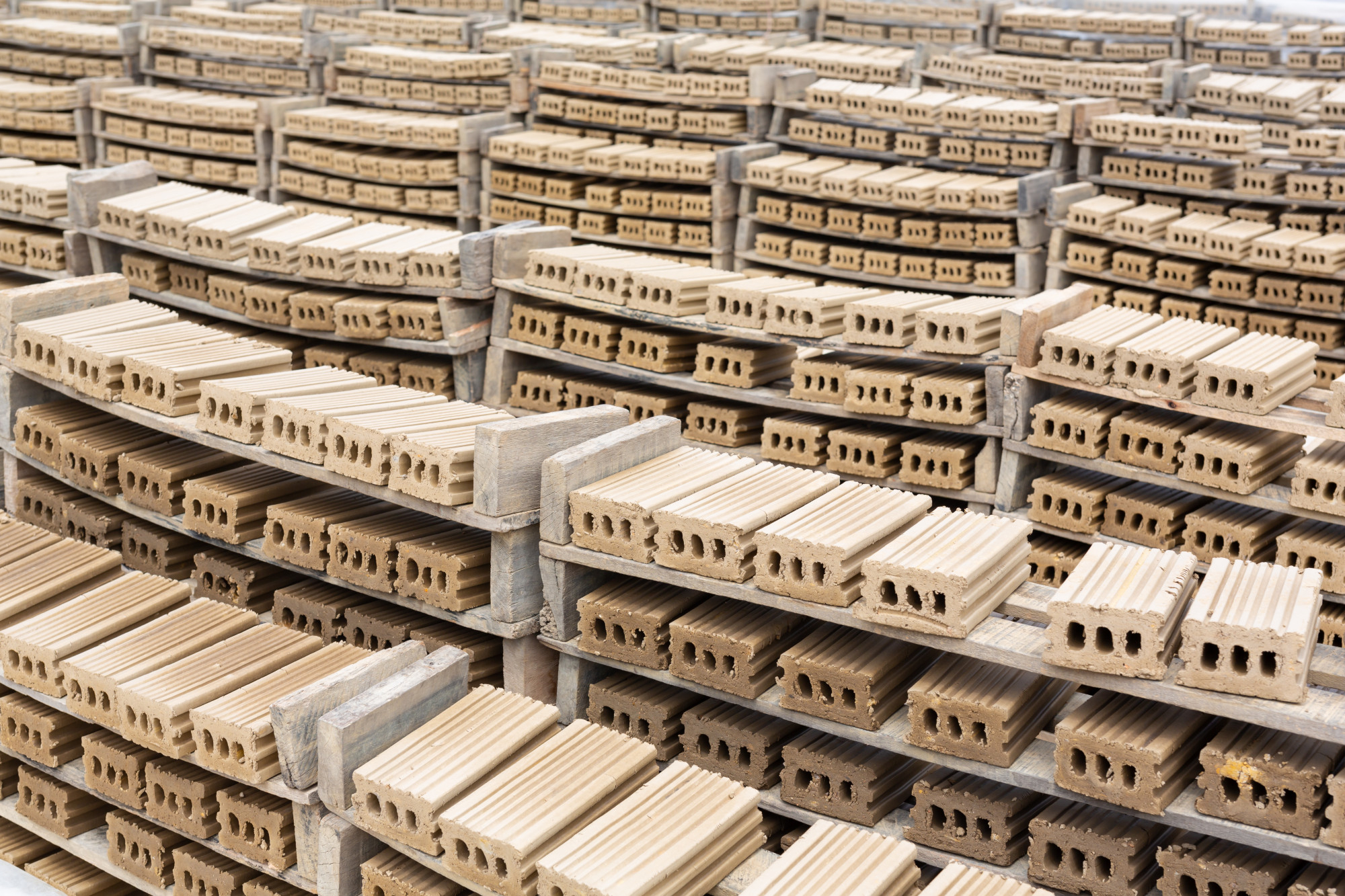
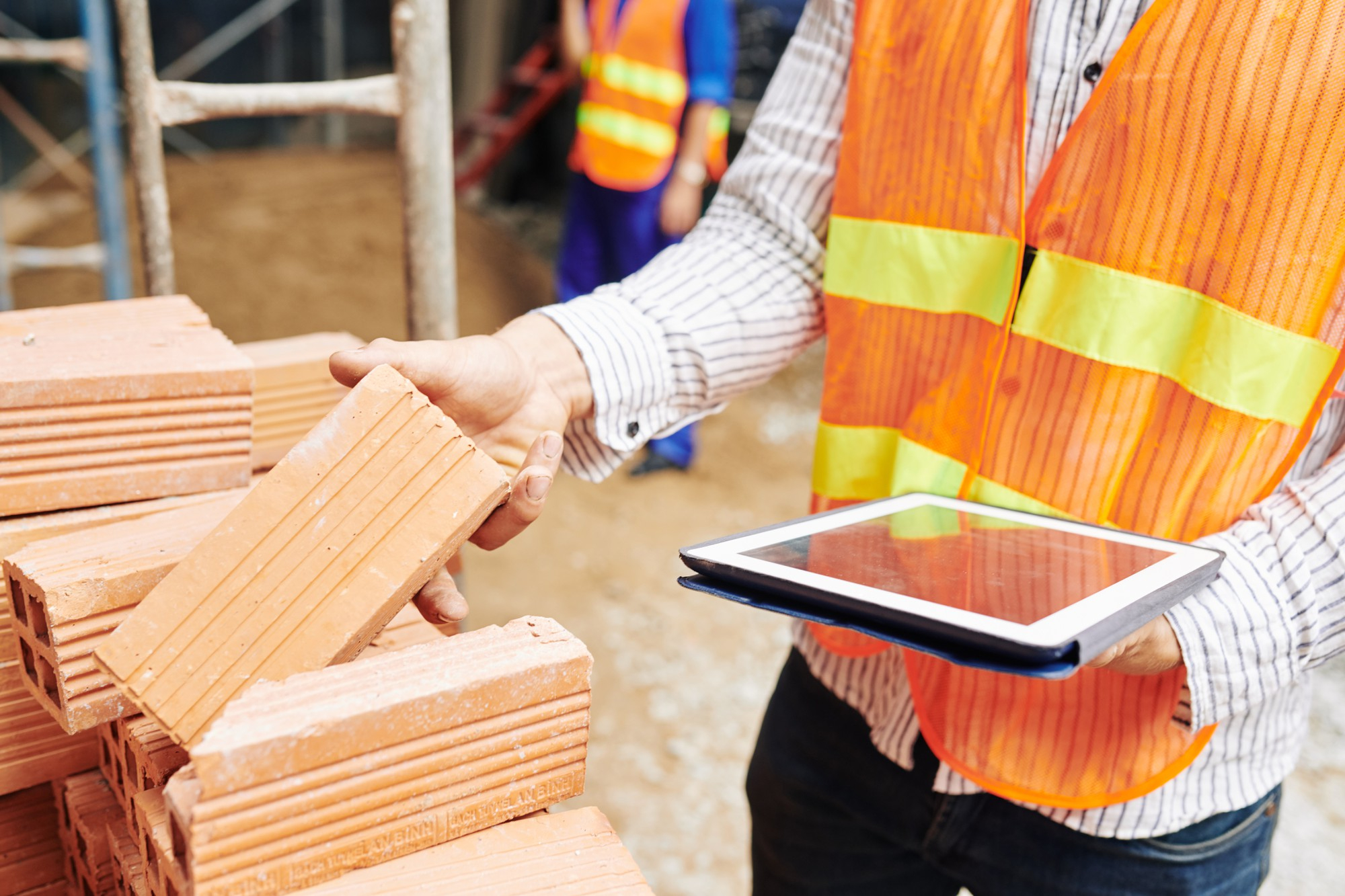
High-quality cement, steel, concrete, bricks, blocks, tiles, and other materials can provide better performance and longer service life. Quality materials can also reduce the chances of future repairs and replacement.
When purchasing materials, work with reliable suppliers who can provide consistent products and clear information about their materials.
Think About Durability
Construction materials are exposed to many conditions over time. Buildings may experience heat, rain, moisture, dust, strong winds, and daily use. Because of this, durability is an important consideration.
For example, materials used in outdoor areas should be able to handle changing weather conditions. Materials used in bathrooms, kitchens, and other wet areas should have good resistance to moisture.
Choosing durable materials may sometimes require a higher initial investment, but it can save money over the long term by reducing maintenance and replacement costs.
Consider Your Budget
Budget is another important part of material selection. Every construction project has financial limits, and materials can represent a large part of the total construction cost.
However, choosing the cheapest material is not always the best way to save money. Low-cost materials may have lower durability or performance, which can result in additional expenses later.
A better approach is to look for materials that provide a good balance between price, quality, performance, and durability.
Check Material Availability
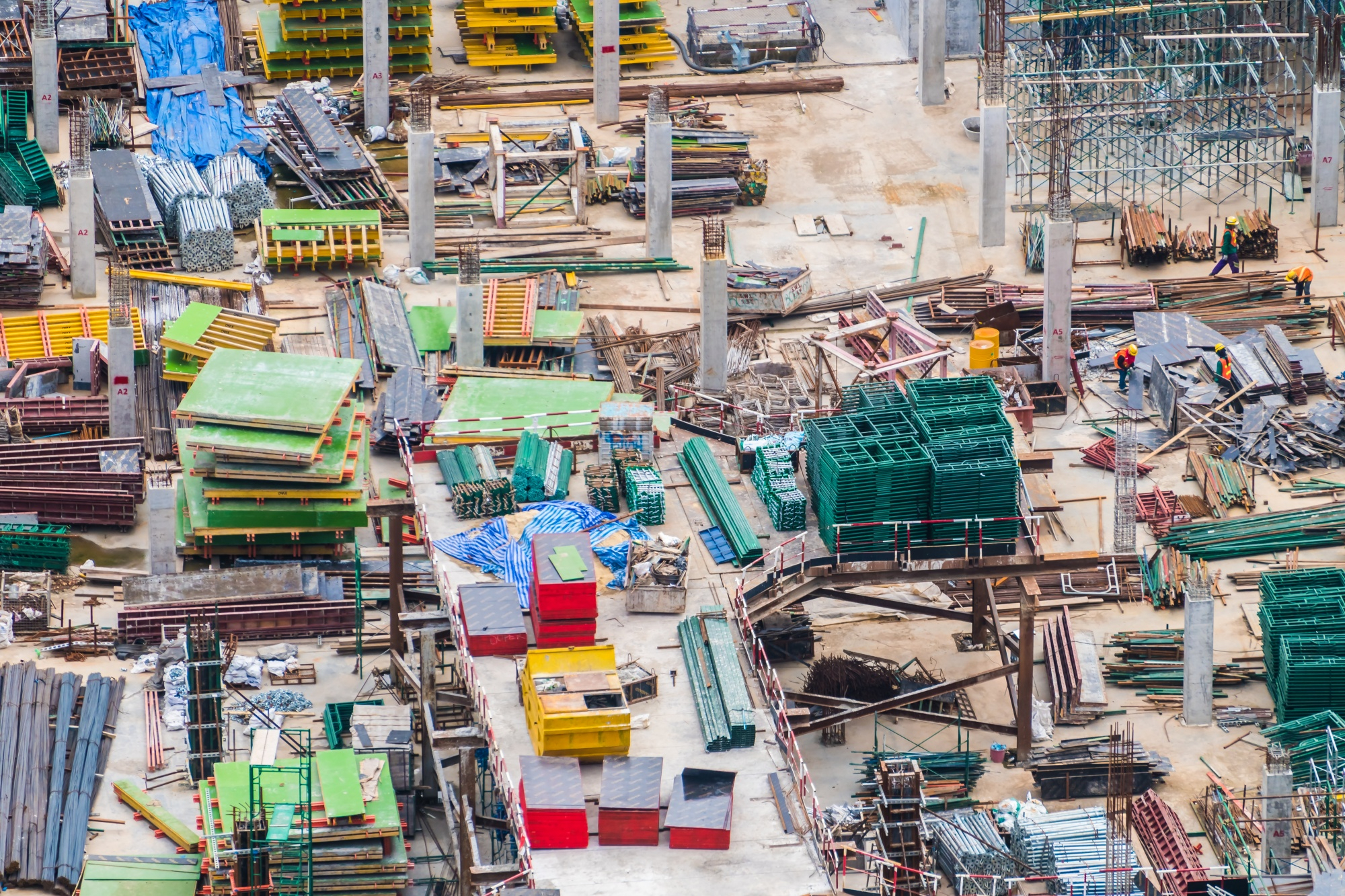
Before choosing a particular material, make sure it is easily available. Some materials may look ideal for a project but can be difficult to find or may have long delivery times.
A delay in material delivery can slow down construction and affect the project schedule. Working with a reliable construction material supplier can make it easier to maintain a steady supply throughout the project.
Consider the Local Environment
The environment around a building can influence which materials should be used. Buildings in areas with high temperatures, humidity, heavy rainfall, or coastal conditions may require materials with specific properties.
For example, materials that resist moisture and corrosion can be especially useful in environments where water and humidity are common.
Understanding the local climate before selecting materials can help improve the long-term performance of the building.
Compare Different Materials
It is always a good idea to compare different options before making a final decision. Look at factors such as:
- Material quality
- Strength
- Durability
- Price
- Availability
- Maintenance requirements
- Appearance
- Environmental impact
- Suitability for the project
A simple comparison can help you understand which material provides the best overall value.
Work With a Reliable Supplier
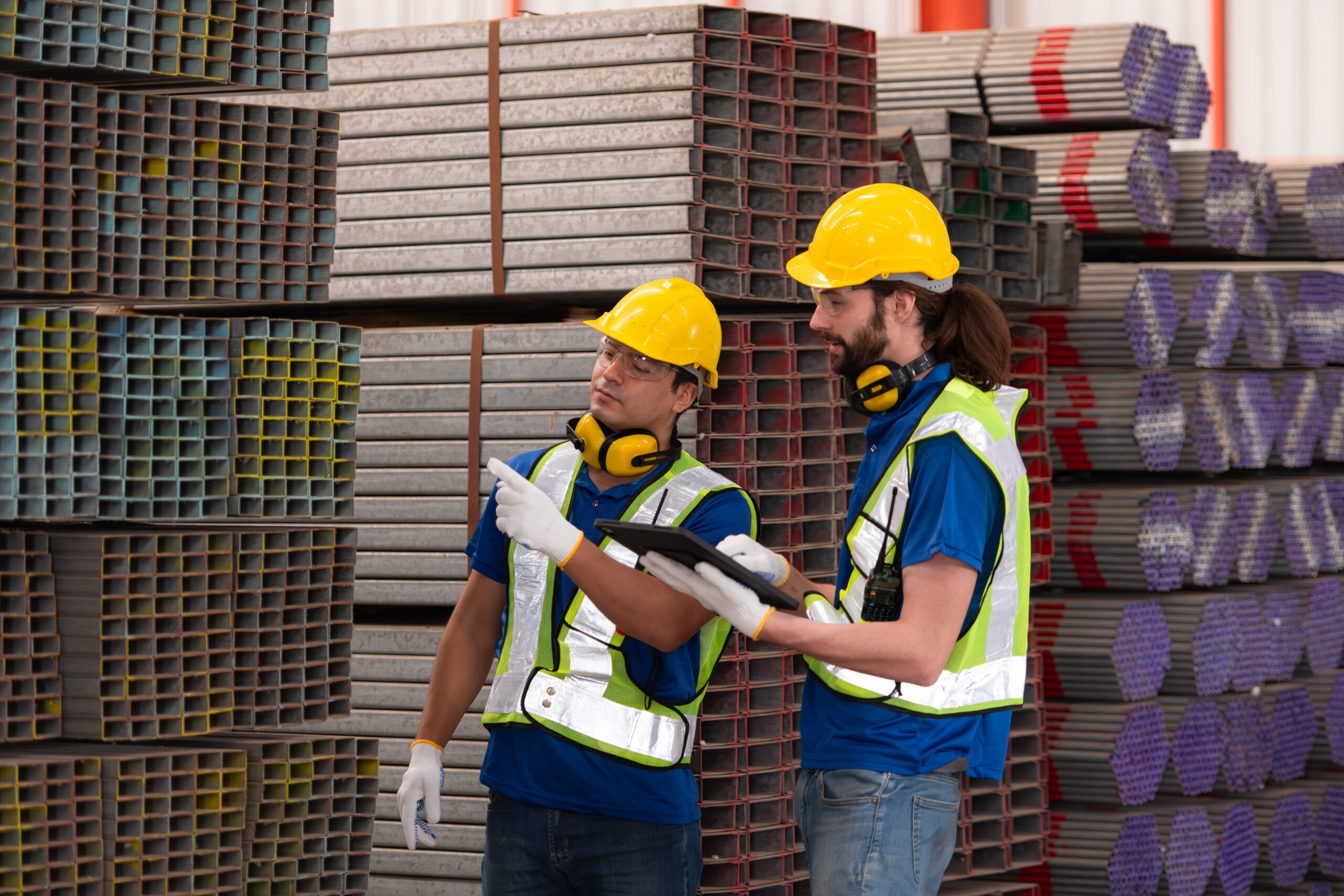
A reliable supplier can make the material selection process much easier. Experienced suppliers can help customers understand their options and choose materials based on their specific project requirements.
A good supplier should focus not only on selling materials but also on providing dependable service, consistent quality, and timely delivery.
Avoid Making Decisions Based Only on Price
Price is important, but it should not be the only factor. Two products may have different prices because they have different levels of quality, durability, or performance.
Instead of asking only, “Which material is cheaper?” consider asking, “Which material gives me the best value for my project?”
This approach can help you avoid unnecessary costs in the future.
Final Thoughts
Choosing the right construction materials requires careful planning. The right materials can improve the strength, safety, appearance, and lifespan of a building. When selecting materials, consider your project requirements, quality, durability, budget, availability, environmental conditions, and long-term maintenance.
Most importantly, choose materials from a dependable supplier that understands construction needs and can provide reliable products and support.
Good construction starts with good materials. By making smart material choices from the beginning, you can build with greater confidence and create a structure that is designed to last.