Every successful construction project depends on the right materials. From the foundation to the finishing touches, different materials work together to create a building that is strong, safe, functional, and attractive.
While the exact materials needed can vary depending on the type of project, there are several essential construction materials that are commonly used in residential, commercial, and industrial buildings.
Understanding these materials can help property owners, contractors, and builders make better purchasing decisions and plan their projects more effectively.
1. Cement
Cement is one of the most commonly used construction materials. It plays an important role in concrete, mortar, plaster, and many other construction applications.
When mixed with other materials such as sand and water, cement helps create strong and stable building components. It is commonly used in foundations, walls, floors, columns, and other structural and finishing applications.
The quality of cement can affect the performance of the final construction, which is why choosing a reliable product is important.
2. Steel
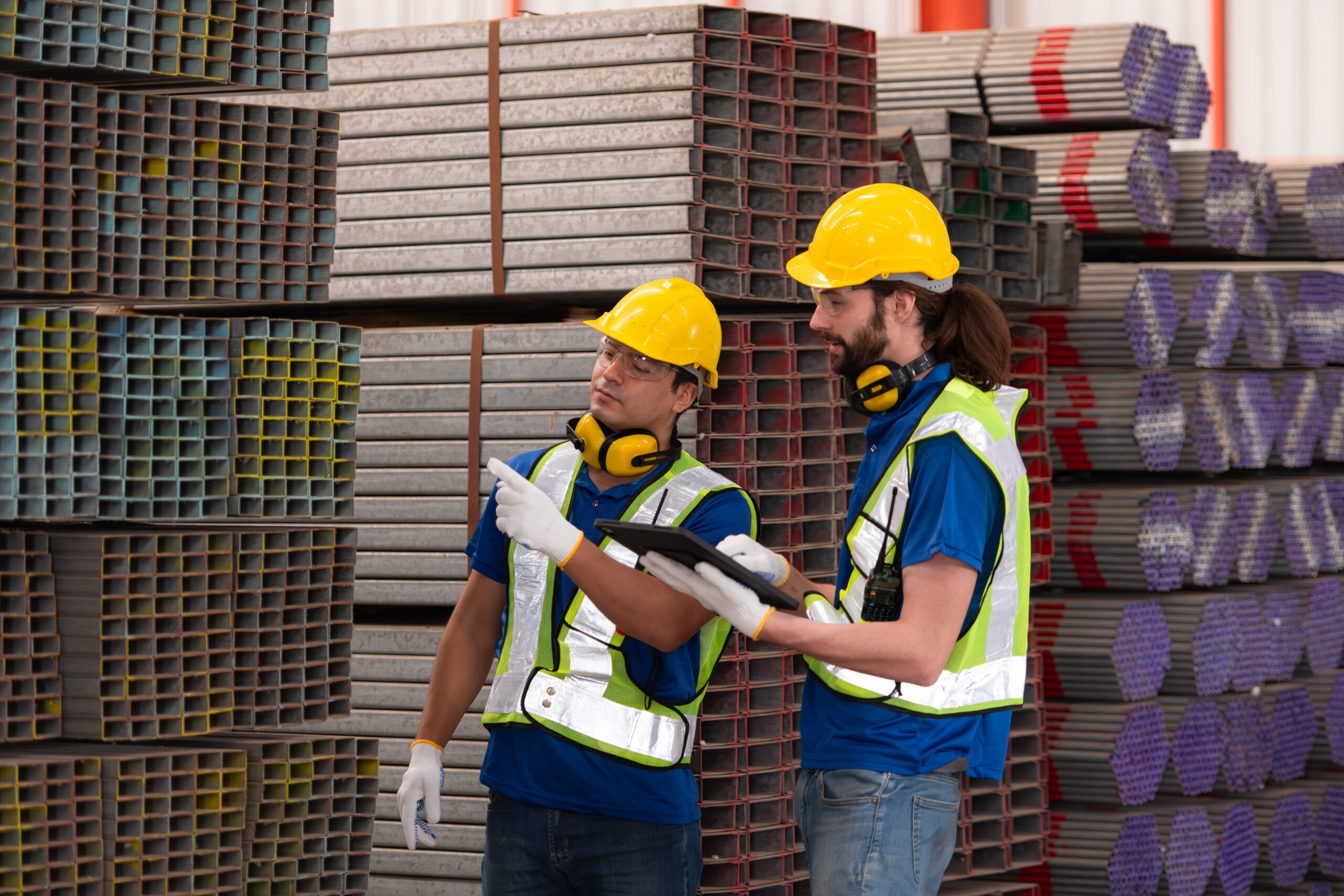
Steel is another essential material in modern construction. It is widely used because of its strength and ability to support heavy loads.
Steel reinforcement is commonly placed inside concrete structures to improve their strength. Steel can also be used in beams, columns, frames, roofing systems, gates, and other applications.
The correct type and quality of steel should be selected according to the requirements of the project. Proper handling and storage are also important to protect steel materials before they are used.
3. Sand
Sand is an important material used in concrete, mortar, plaster, and other construction applications. It is often combined with cement and other materials to create mixtures used for different parts of a building.
The quality and type of sand can affect the performance of these mixtures. Clean and suitable sand should be selected according to the intended application.
Using the right material helps improve the consistency and performance of construction work.
4. Bricks and Blocks
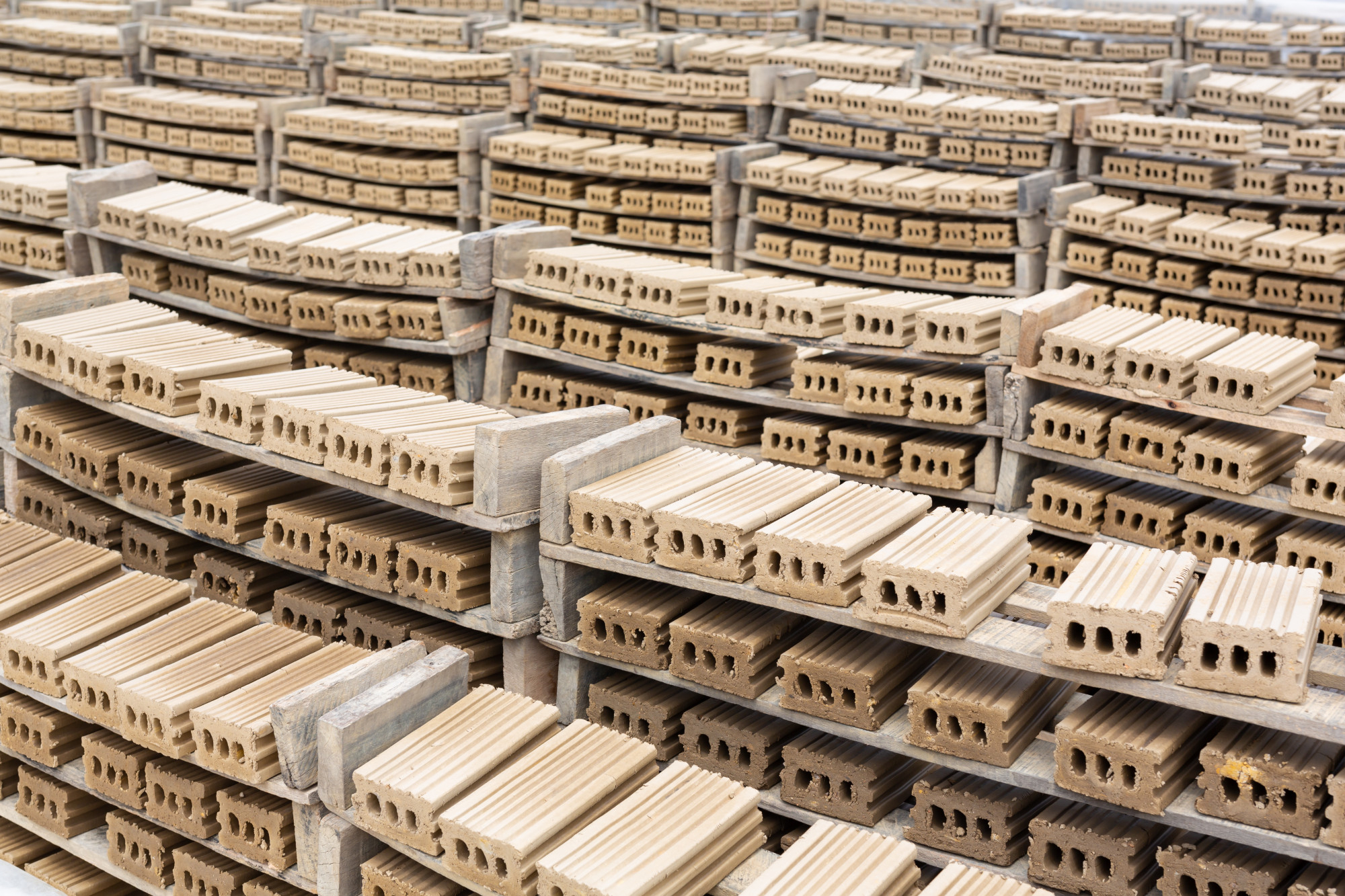
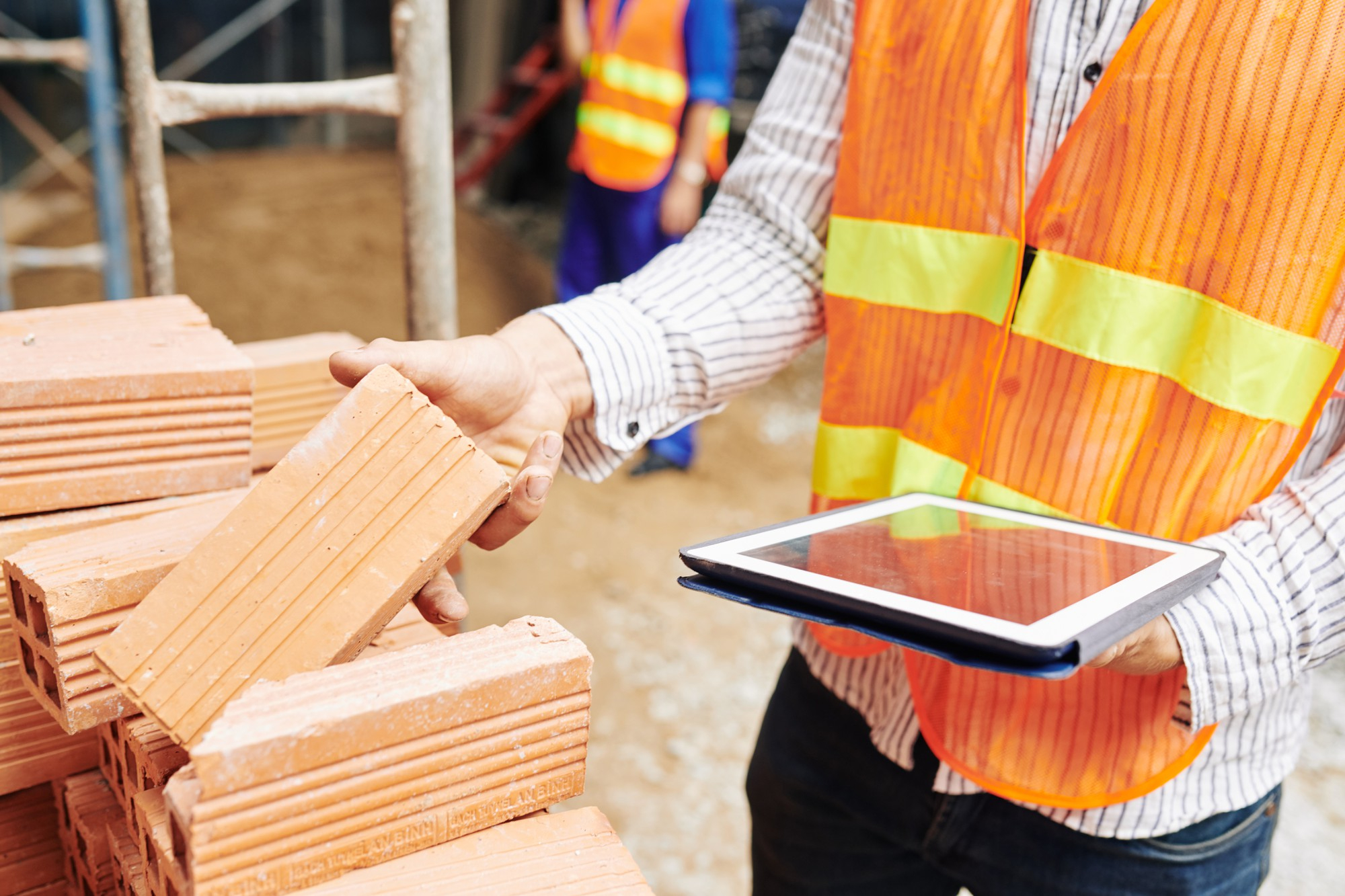
Bricks and blocks are commonly used for walls and partitions. They help divide spaces and create the basic structure of many buildings.
Different types of bricks and blocks are available for different construction requirements. Some are selected for their strength, while others may be chosen for insulation, weight, appearance, or ease of installation.
When selecting bricks or blocks, builders should consider the design and structural requirements of the project.
5. Concrete
Concrete is one of the most important materials in construction. It is commonly used for foundations, floors, columns, beams, roads, slabs, and many other applications.
Concrete is generally made by combining cement, aggregates, sand, and water. The proportions and quality of the ingredients can influence its performance.
Proper mixing, placement, and curing are also important for achieving good results.
6. Wood
Wood has been used in construction for centuries and continues to be useful in modern buildings. It can be used for doors, windows, flooring, furniture, roofing elements, interior features, and decorative applications.
Wood can provide a warm and natural appearance. Different types of wood offer different levels of strength, durability, color, and texture.
When using wood in construction, it should be properly selected, treated, stored, and maintained according to its intended use.
7. Glass
Glass is increasingly popular in modern architecture. It allows natural light into buildings and can create open and attractive spaces.
Glass is commonly used for windows, doors, partitions, facades, and decorative features. Different types of glass are available depending on requirements such as safety, privacy, energy performance, and appearance.
The correct glass should be selected based on where and how it will be used.
Why Material Quality Matters
Knowing the essential materials is only the first step. The quality of those materials is equally important.
Construction materials are part of a long-term investment. Poor-quality materials can affect the strength, appearance, and lifespan of a building. They may also lead to additional maintenance and replacement costs.
For this reason, builders should work with reliable suppliers and select products that meet the requirements of their projects.
Proper Storage Is Important
Even high-quality materials can become damaged if they are stored incorrectly.
Cement should be protected from moisture. Steel should be stored properly to reduce unnecessary exposure to damaging conditions. Sand and aggregates should be kept clean and separated from unwanted materials.
Proper storage helps maintain material quality and reduces waste.
Final Thoughts
Cement, steel, sand, bricks and blocks, concrete, wood, and glass are among the most commonly used materials in modern construction. Each material has a specific purpose and contributes to the final building in a different way.
The best construction results come from choosing the right materials, using them correctly, and purchasing them from reliable suppliers.
Whether you are working on a small home project or a large commercial development, understanding essential construction materials can help you plan better, control costs, and achieve a stronger and more reliable finished building.