When planning a construction project, one of the biggest decisions is choosing the right materials. Many builders and property owners naturally look for ways to reduce costs. Saving money is important, but choosing the cheapest construction materials is not always the best way to save. In many cases, low-quality materials can lead to repairs, replacements, delays, and higher expenses in the future.
The real goal should be to find the right balance between quality, cost, durability, and performance. Good construction materials may cost more at the beginning, but they can provide better value over the life of a building.
Why Material Quality Matters
Construction materials are the foundation of every building project. Whether you are constructing a house, office, commercial building, or other property, the quality of the materials directly affects the strength and durability of the structure.
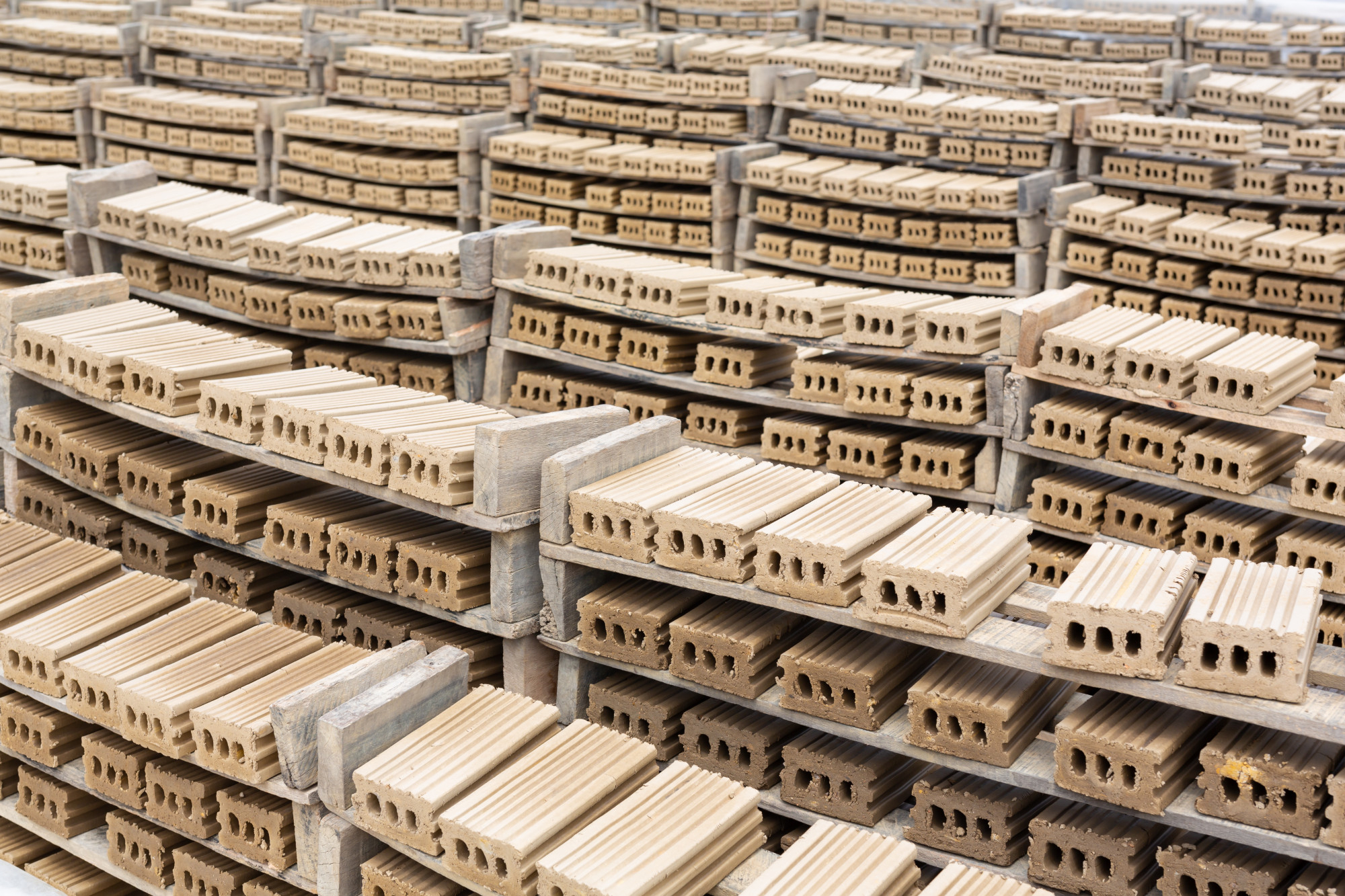
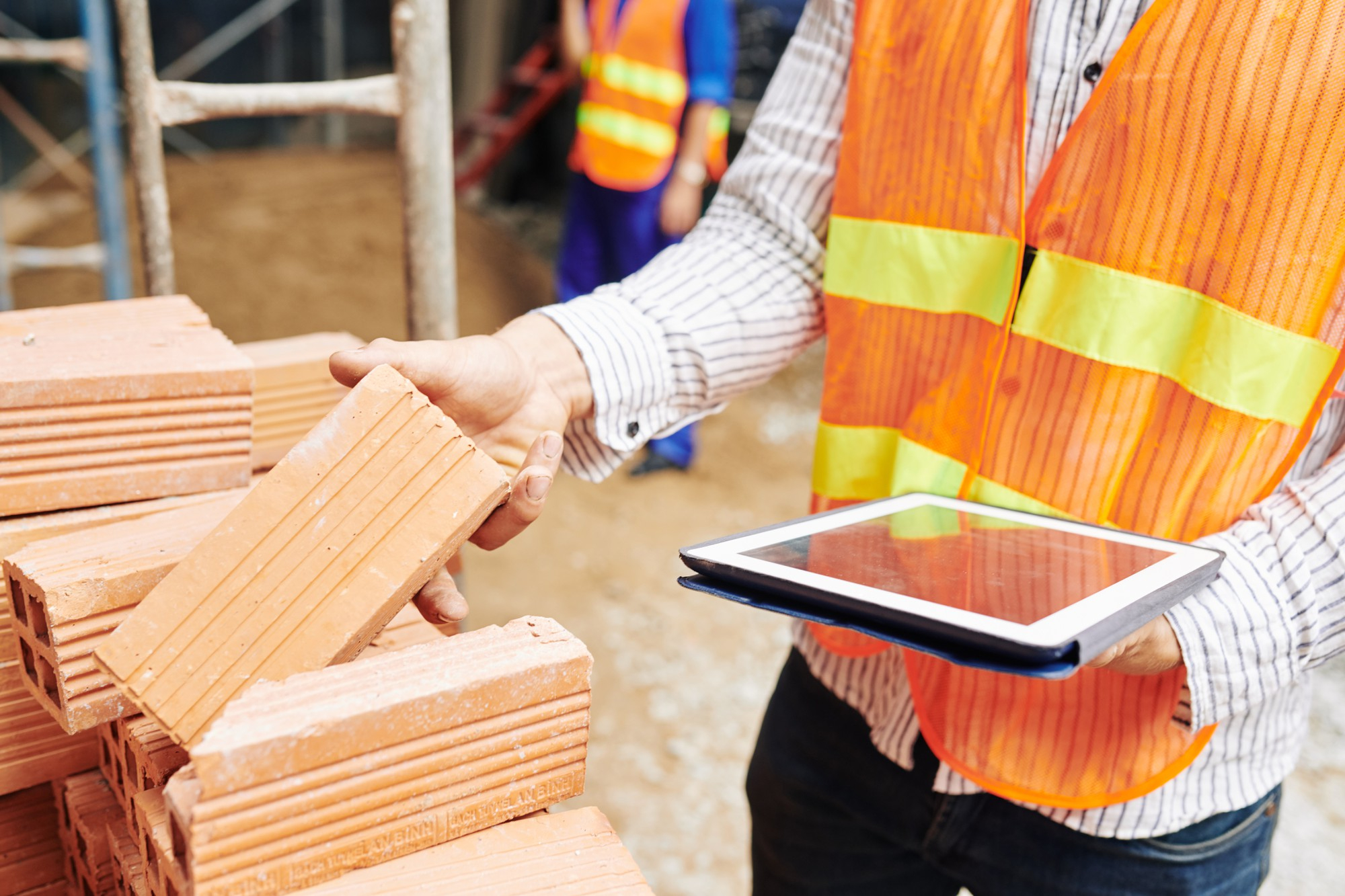
For example, high-quality cement can contribute to stronger concrete when properly mixed and used. Good-quality steel can provide the required strength and support for structural elements. Quality bricks and blocks can help create strong and durable walls.
When materials are selected carefully, they can help reduce problems during and after construction. On the other hand, poor-quality materials may cause cracks, damage, weak surfaces, water problems, or other issues that require additional work.
This is why material quality should always be considered an important part of the construction budget.
The Problem With Choosing the Cheapest Materials
Price is an important factor, but it should not be the only factor when buying construction materials.
A product with a lower price may seem attractive at first. However, if it does not perform well or does not last long, you may have to spend more money later. Replacement costs, labor costs, transportation, and project delays can quickly increase the overall expense.
For example, imagine choosing a cheaper material for an important part of a building. If that material needs to be replaced after a short period, you may have to pay for the new material as well as the labor required to remove and replace the old one.
This means that the cheapest option is not always the most economical option.
Understanding Value Instead of Just Price
A better approach is to think about value.
Price tells you how much you pay today. Value considers what you receive in return for that money.
A quality construction material can offer better durability, performance, safety, and reliability. If it lasts longer and requires fewer repairs, it may provide greater value over time.
When comparing materials, consider questions such as:
How long is the material expected to last?
Is it suitable for the project?
Does it meet the required standards?
How well does it perform under normal conditions?
Does it require regular maintenance?
Is the supplier reliable?
Is the product suitable for the local environment?
Looking at these factors can help you make a smarter purchasing decision.
Quality Materials Can Reduce Future Repairs
One of the biggest benefits of using good-quality materials is the possibility of reducing future maintenance and repair work.
Every building requires some maintenance, but poor materials can increase the number of problems that occur over time. Damaged walls, weak surfaces, leaks, cracks, and other issues can require additional time and money to fix.
Using suitable materials from the beginning can help reduce unnecessary repairs.
For construction companies and property owners, this can also make project management easier. Fewer material-related problems can mean fewer interruptions and a smoother construction process.
Quality is also important to understand that high quality does not always mean buying the most expensive product available Does Not Always Mean the Most Expensive
It is also important to understand that high quality does not always mean buying the most expensive product available.
There are many products in the market at different price levels. The most expensive option may not always be necessary for your project, while the cheapest option may not provide the performance you need.
The best choice is usually a material that offers the right combination of quality and price.
For example, a residential project may have different material requirements from a large commercial or industrial project. Understanding the specific needs of the project can help you avoid paying for features you do not need while still maintaining the required quality.
Choosing the Right Supplier
The supplier you choose is also an important part of material quality.
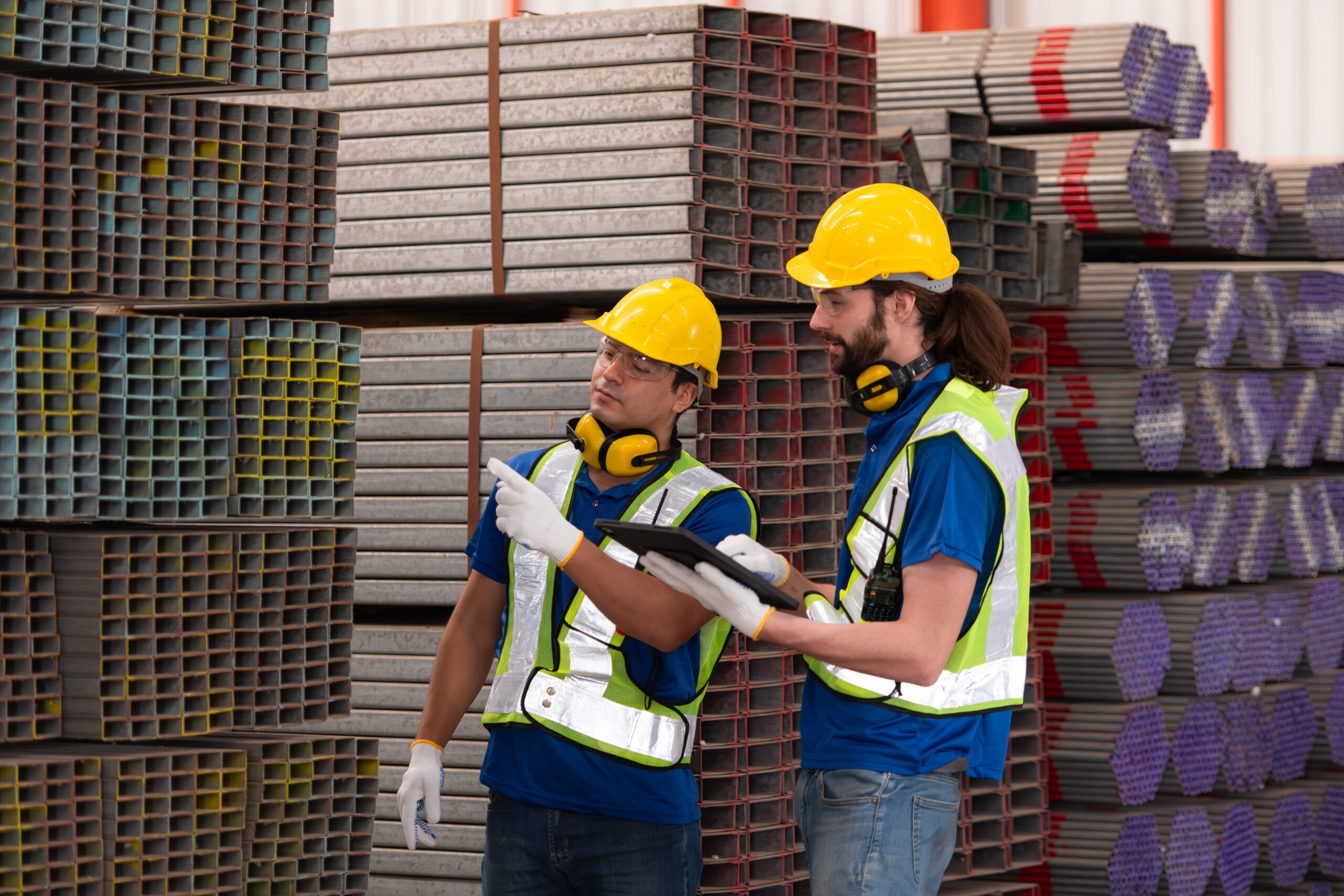
A reliable supplier should provide clear information about their products and help customers select materials according to their project requirements. They should also maintain consistent product quality and provide materials in the required quantities.
Before buying, it is useful to check:
Product specifications
Quality information
Available quantities
Delivery options
Storage requirements
Supplier experience
Customer support
A dependable construction material supplier can make the purchasing process easier and help prevent problems caused by unsuitable or inconsistent materials.
Do Not Ignore Storage and Handling
Even high-quality materials can be damaged if they are not stored or handled correctly.
Construction materials should be protected according to their specific requirements. Some materials need to be kept dry, while others need protection from direct exposure to weather or physical damage.
For example, cement should be stored properly to protect it from moisture. Steel should be handled and stored in a way that helps prevent unnecessary damage. Other materials may also have specific storage requirements.
Proper storage helps protect the investment you have already made in quality materials.
Quality Materials Can Improve Project Efficiency
Good materials can also contribute to a smoother construction process.
When materials are suitable for the job and arrive in the correct condition, workers can use them more efficiently. This can help reduce interruptions and unnecessary waste.
Poor-quality or unsuitable materials may need to be rejected, replaced, or used differently than planned. Such problems can slow down construction and increase labor costs.
For this reason, material selection should be considered before construction begins rather than treated as a last-minute decision.
How to Balance Quality and Budget
Every construction project has a budget. The goal is not to spend as much as possible on materials but to spend money wisely.
Start by identifying the materials that are most important to the structure, safety, and durability of the project. These materials should receive careful attention when comparing quality and price.
Next, compare different suppliers and products. Look at specifications, expected performance, availability, and total cost rather than focusing only on the initial price.
It is also helpful to plan material quantities carefully. Buying the right amount can reduce waste and prevent unnecessary spending.
A well-planned budget can help you maintain quality without putting unnecessary pressure on the overall project cost.
The Long-Term Benefits of Quality
Construction is a long-term investment. A building may be used for many years, so material decisions should be made with the future in mind.
Quality materials can support durability and reduce the need for frequent repairs. They can also contribute to the overall appearance and performance of a finished building.
For property owners, this can mean greater peace of mind. For contractors and developers, it can help improve project quality and customer satisfaction.
The initial cost is only one part of the total cost of construction. Long-term performance should also be considered.
Final Thoughts
Choosing construction materials should never be based on price alone. While staying within budget is important, poor-quality materials can create additional costs and problems in the future.
The smarter approach is to consider quality, durability, performance, supplier reliability, and overall value. A material that costs slightly more but lasts longer and performs better may be a much better investment than a cheaper alternative.
At the end of the day, successful construction is about making informed decisions. By selecting reliable materials and working with a trusted construction material supplier, you can build with greater confidence and reduce unnecessary costs in the long run.
Quality is not simply an extra cost—it is an investment in the strength, durability, and future of your project.